Wildest: A Script Font for Warm and Engaging Digital Design
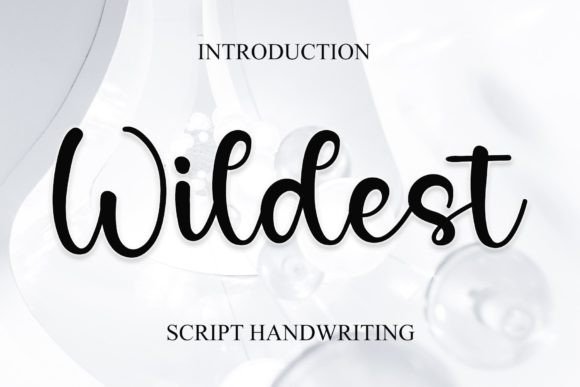
In the grid-based precision of web design, sometimes you need a human touch. Wildest is that touch—a sweet handwritten script font that brings a gentle, joyful, and distinctly romantic character to your digital canvas. For designers crafting websites, landing pages, and digital products, a font like this isn’t just decorative; it’s a strategic tool for establishing mood, guiding attention, and building a memorable brand identity.
The Digital Personality of a Handwritten Font
At first glance, Wildest presents itself as an approachable script typeface. Its gentle, flowing strokes and organic letterforms immediately soften a layout. This isn’t a harsh, dramatic calligraphy; it’s a friendly, almost conversational handwriting style. In a world of sharp sans-serifs and structured grids, this personality is powerful. It can transform a sterile SaaS landing page into a welcoming invitation, or turn a standard online store banner into a personal note from a boutique brand.
For web and UI designers, this personality translates directly to brand tone. Using Wildest signals warmth, creativity, care, and often a touch of elegance. It’s particularly effective for brands in lifestyle, coaching, wellness, creative services, artisanal products, wedding industries, and any digital presence aiming to feel more personal and less corporate.
Practical Applications in Web Layouts
Understanding where a decorative display font performs best is key to maintaining both impact and usability. Wildest, as a script font, excels in specific roles within a digital layout.
Hero Sections and Key Headlines
This is its primary stage. Using Wildest for your main hero title on a landing page or website homepage creates an immediate emotional connection. The font draws the user in with its unique style, setting the entire tone for the visit. For a creative portfolio, a single line like “Welcome to My World” in Wildest feels infinitely more personal than a standard font.
Call-to-Action Accents and Button Text
While not typically recommended for full button labels due to readability constraints on mobile, Wildest can be brilliant for short, powerful CTA phrases within a button or adjacent to it. A phrase like “Get Started” or “Love This?” styled with the font can make a functional element feel special and inviting, potentially boosting engagement.
Branded Graphics and Decorative Elements
Across blog post graphics, email header images, digital ad banners, and social media content, Wildest provides a consistent visual signature. It ensures that every piece of content you create carries the same branded warmth, helping to build a cohesive online identity.
Logo Text and Identity Lockups
For many small businesses and digital entrepreneurs, Wildest can serve as the foundation of a logo. Its distinctive style means your brand name will hold a unique shape, perfect for favicons, site header logos, and watermark usage across a digital product.
Readability and Hierarchy in Responsive Design
Any discussion of a decorative font in web design must address readability. The organic nature of a script font like Wildest requires careful implementation to maintain clarity across devices.
First, size is critical. Use it generously. On desktop, a size of 48px or larger for headlines ensures the details of the handwriting are clear. On mobile, you may need to scale this up even further to prevent the delicate strokes from becoming fuzzy or cramped. Second, contrast is paramount. Ensure high contrast between the font color and its background—whether on a light, dark, or image-overlay background. A subtle drop shadow can sometimes help legibility on complex image backdrops.
For visual hierarchy, pair Wildest with a highly legible body font. The script font becomes the dominant, attention-grabbing level one. Your sans-serif or simple serif body copy then provides the effortless reading experience. This pairing creates a clear rhythm: the user is captivated by the decorative headline, then comfortably scans the supportive text.
Strategic Font Pairing for the Web
Wildest is a display font, meant for prominent, short pieces of text. Its success hinges on a thoughtful pairing with a robust web font for paragraphs, UI labels, and long-form content.
- With a Neutral Sans-Serif: A clean, geometric sans-serif like Inter, Poppins, or system fonts like Helvetica provides a perfect modern baseline. This is ideal for tech-forward brands, clean SaaS layouts, or any design needing warmth without clutter.
- With a Classic Serif: Pairing with a traditional serif like Merriweather or a contemporary one like Playfair Display creates an editorial, refined feel. This combination works beautifully for blogger portfolios, coaching websites, or brands with a storytelling focus.
- As a Solitary Accent: In some minimal designs, you might use Wildest only for the logo or a single key phrase, letting the rest of the site use a single, strong sans-serif. This maximizes its impact as a special accent.
Technical Considerations for Digital Projects
When selecting a font like Wildest for web use, practical file and licensing details directly affect your workflow.
Check that the font includes standard web font formats (WOFF and WOFF2) for optimal performance and browser compatibility. Verify its character set supports the languages your project requires. Many script fonts offer alternate characters or ligatures; these can add extra custom flair to your headlines and are worth exploring.
Most crucially, ensure your use case aligns with the font’s license. For commercial websites, client projects, online stores, and digital templates, you typically need a commercial license. This grants you the right to embed the font in your live site and use it in client deliverables. Using a premium font properly licensed protects your projects and respects the creator’s work.
Implementing Wildest in Your Brand System
Think of Wildest not as a one-off graphic element, but as a component of your digital brand kit. Define its specific roles: perhaps it’s your H1 font, your logo font, and your graphic headline font. Document its pairing font, its minimum size guidelines for mobile, and its approved color variations. This systematization ensures that every designer or developer on the project uses it consistently, maintaining the brand’s gentle, romantic tone across every page and screen.
From the hero section of a product landing page to the welcoming header of a course sales page, Wildest offers a way to infuse humanity into digital spaces. By applying it strategically—respecting its strengths in display roles, pairing it for clarity, and scaling it for readability—you turn a beautiful handwritten script font into a reliable asset for building warmer, more engaging, and conversion-focused online experiences.